Source: People’s Daily 2015-11-17 Meng Junxiang
In recent years, with the development of brain cognition and neuroscience, focus has been brought towards intelligent technology that is inspired by brain science and neuroscience both at home and abroad. This method learns from human brain information processing, breaking the Von Neumann architecture constraints, and establishing a new ultra-low power computing system suitable for real-time processing of unstructured information and autonomous learning ability. Brain-inspired computing will lead an intelligent revolution and will greatly expand the scope of human intellectual activities in various fields. In the upsurge of global brain-inspired computing technology development, seizing the commanding heights in the field of brain-inspired computing in time can effectively enhance national competitiveness, which is of great significance to China’s national defense, public security and economic construction.
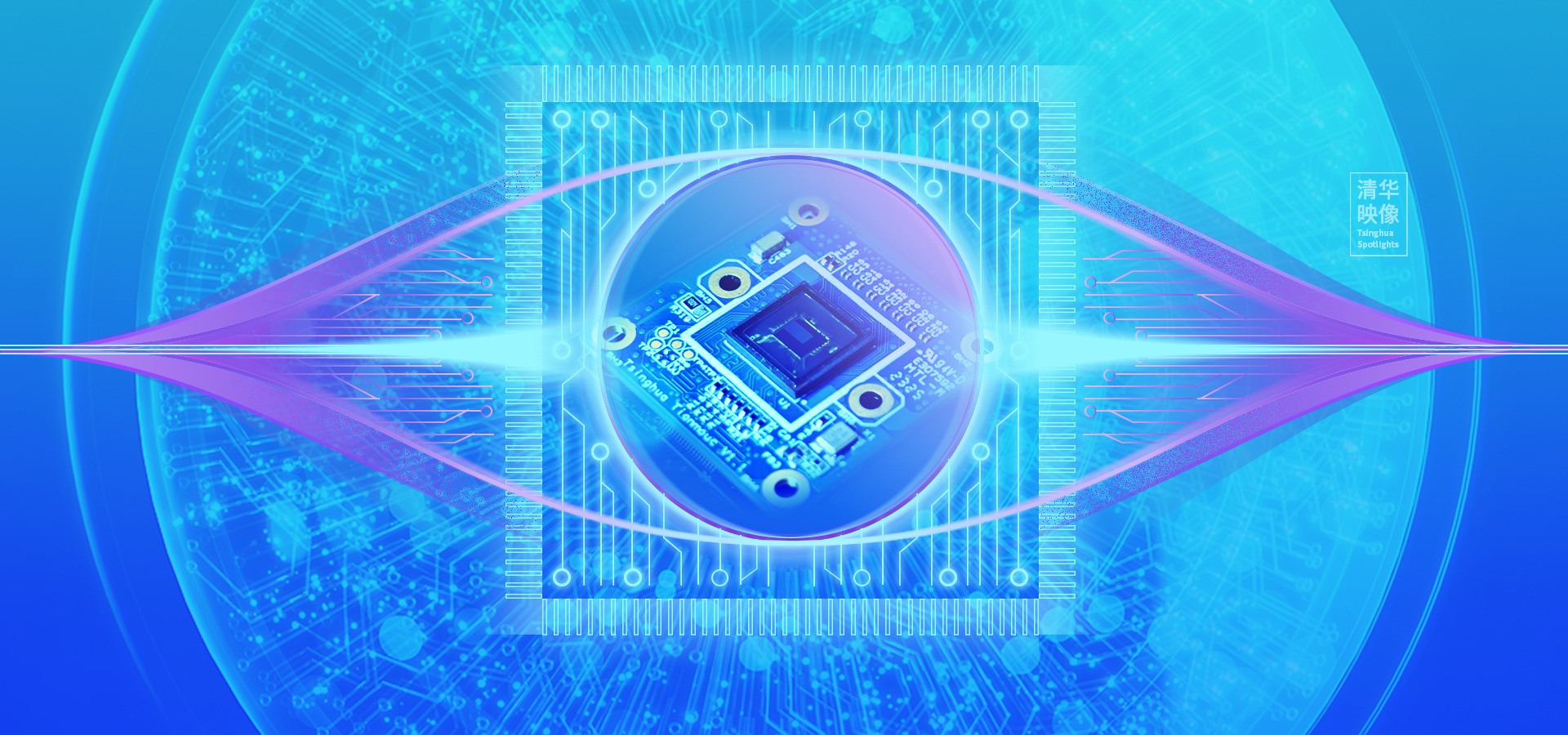
Tsinghua University began to lay out brain-inspired computing research in 2012, and set up a center for Brain-Inspired Computing Research in September last year to carry out multidisciplinary research on brain-inspired computing. At present, the center has the only research team studying brain-inspired computing from basic theory, chips and software systems in an all-round way in China. They have initially established the basic concept of design theory of brain-inspired computing system, completed the modeling, simulation, FPGA verification, IC design and tape-out of version 0.6 of Tianjic. The simulation software version 0.6 has been initially established and has attracted great attention from international counterparts.
At present, the research on brain-inspired intelligence in the world has just started, and the research in this field in China is ready to start as well. Supported by Beijing Brain Science Research Project, Center for Brain-Inspired Computing Research at Tsinghua University will further accelerate the research of brain computing based on previous research, and promote development of information and computing science in the future.